
Jul 29, 2026
Brass Basin Faucets: A Practical Guide to Style, Durability, and Selection
Learn how to choose a brass basin faucet for vessel and standard sinks, including material quality, cartridge, finish, installation, and maintenance tips.
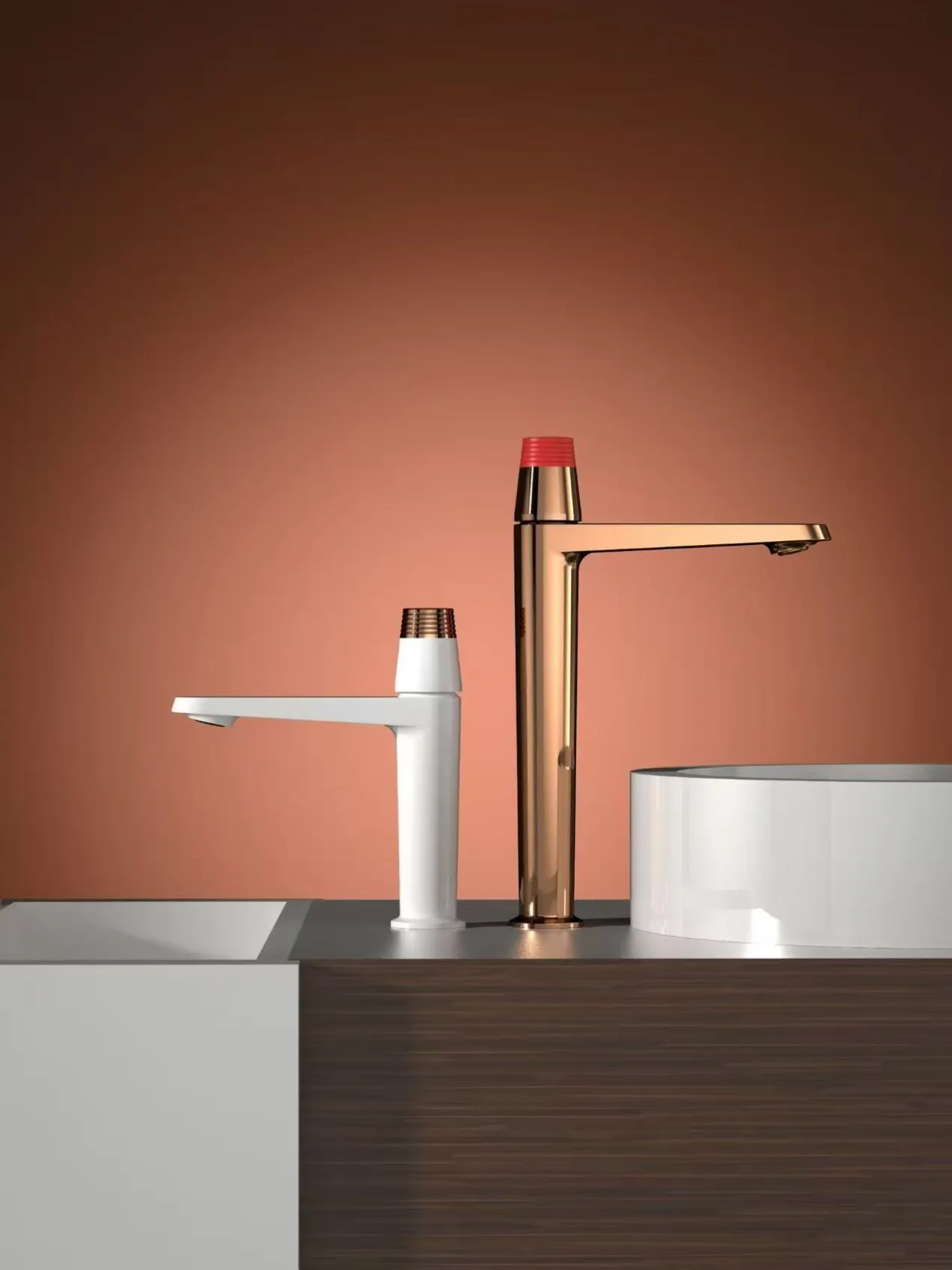
A brass basin faucet is one of the most visible working details in a bathroom. It controls water flow several times a day, yet it also helps define the character of the vanity area. The right model should suit the basin, work reliably over time, and complement the rest of the room—not simply look attractive in a product photo.
Why brass is a popular choice for basin faucets
Brass is an alloy made mainly from copper and zinc. In a well-made faucet body, it offers a solid feel, good machining quality, and dependable performance in humid bathroom environments. It also gives designers freedom to create clean contemporary shapes, elegant curves, and more traditional forms.
Material alone does not determine faucet quality. A dependable brass basin faucet combines a properly made body with a quality cartridge, precise connections, and a durable surface finish. When comparing options, consider the complete product rather than choosing by color or price alone.
Choose the right faucet type for your basin
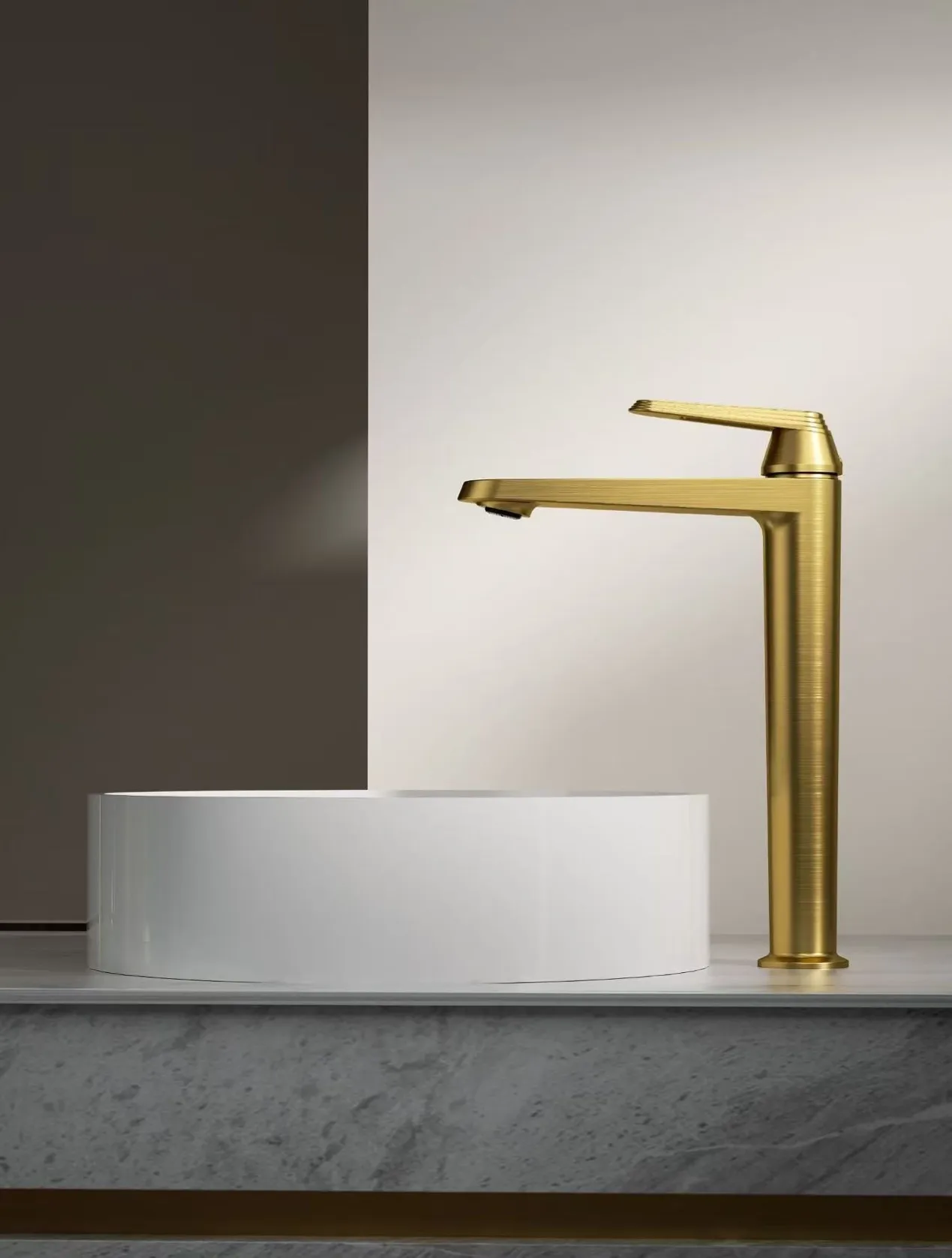
Tall faucets for vessel sinks
Countertop vessel sinks require a taller faucet. The spout should clear the rim comfortably while directing the water toward the center of the bowl or near the drain. Before buying, measure the height of the basin and the distance from the faucet hole to the desired water-flow point. A tall faucet with too little reach can cause splashing against the rim.
Standard faucets for inset and undermount basins
For inset, drop-in, or undermount basins, a standard-height basin mixer is usually the practical choice. It keeps the profile balanced and normally provides enough clearance for handwashing without making the tap feel oversized.
Single-hole and three-hole designs
A single-hole mixer uses one handle to adjust water volume and temperature. It is simple to operate and works well in streamlined, contemporary bathrooms. Three-hole basin faucets use a separate spout and two handles, making them a strong choice for classic, vintage, or more decorative interiors.
Five details to check before buying
- Installation dimensions. Confirm the faucet-hole diameter, countertop thickness, basin height, and available space behind the basin. Check both spout height and spout reach.
- Cartridge quality. A ceramic cartridge is commonly chosen for smooth operation and long-term sealing performance. Review the manufacturer’s warranty and replacement-parts availability.
- Surface finish. Chrome, brushed nickel, brushed gold, matte black, and gunmetal each create a different mood. A uniform, well-applied finish is easier to maintain and helps preserve the faucet’s appearance.
- Water flow. A removable aerator can produce a softer stream and simplify routine cleaning. It can also help reduce splashing when paired with the right basin.
- Compatibility. Match the faucet with the basin, drain, countertop material, and nearby shower or accessory finishes for a cohesive bathroom design.
Understanding common brass faucet finishes
Polished chrome remains a versatile choice because it pairs easily with many bathroom styles. Brushed finishes create a softer, less reflective surface and can help make water marks less noticeable. Brushed gold and warm metallic tones often suit luxury or transitional interiors, while matte black and gunmetal can give a vanity area a modern, architectural feel.
For special-color finishes, look for clear product information about the coating process. PVD finishes are often selected for their wear and corrosion resistance, particularly in high-use bathroom spaces. As with any decorative finish, gentle routine care is important.
How to care for a brass basin faucet
Simple maintenance helps a faucet continue to look its best. Wipe it with a soft damp cloth, then dry the surface to reduce water spots. Avoid abrasive pads, steel wool, and strong acidic or alkaline cleaners, which may damage a decorative coating. If water flow becomes uneven, remove and rinse the aerator according to the product instructions.
It is also worth checking hoses and connections periodically. A slow leak, stiff handle, or reduced flow is easier to resolve when addressed early.
Frequently asked questions
Are brass basin faucets suitable for humid bathrooms?
Yes. Brass is widely used for bathroom faucet bodies because it performs well in humid environments. Product quality, installation, and proper care all contribute to long-term results.
What faucet height is best for a vessel sink?
The best height depends on the basin’s dimensions and the spout reach. The water stream should land inside the bowl without striking the rim or creating excessive splash.
Is a brass faucet difficult to clean?
No. Regular wiping with a soft cloth is usually enough. Choose cleaning products that are suitable for the faucet’s specific finish and avoid harsh abrasives.
Final thoughts
A brass basin faucet can bring together durability, comfort, and visual appeal. By checking the basin dimensions, cartridge, finish, and water-flow position before purchase, you can select a faucet that feels right every day and supports a well-designed bathroom for years to come.